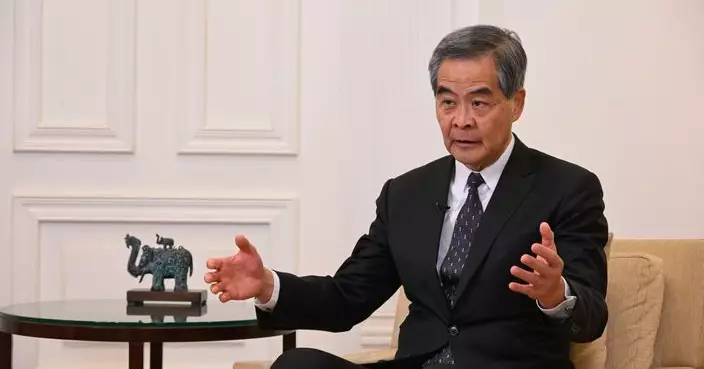
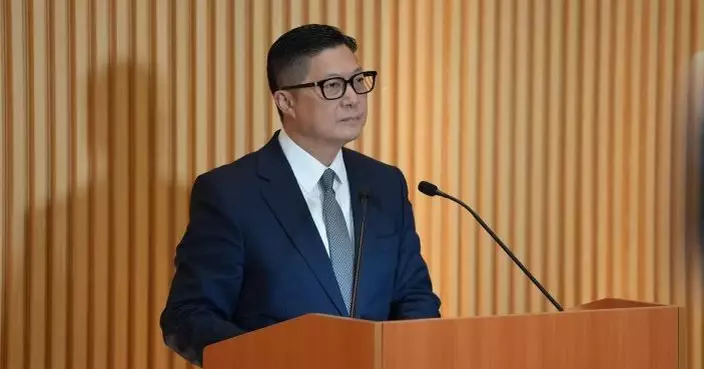
《壹傳媒》創辦人黎智英與《蘋果日報》3間相關公司涉串謀勾結外國勢力案,周二(2月11日)進行第132天聆訊,續由黎智英第40日作供。控方指2019年期間《蘋果》不少報道標題均呼籲市民上街參與示威,與黎提倡的一致,黎確認,目的是反對修訂《逃犯條例》。黎又承認曾向《蘋果》高層發訊息要求諗方法催谷人上街,擔心「太靜」,又著訪問學生激發更多人參與示威,並著下屬616大遊行用「不撤不散」標題,惟黎否認給予編採指示。
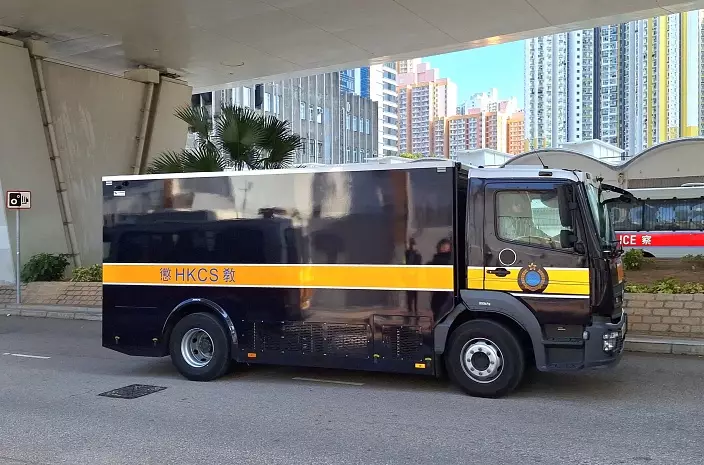
囚車進入法院。(巴士的報記者攝)
控方展示黎與《蘋果》高層的對話訊息,提到2019年4月27日,黎向前《壹傳媒》行政總裁張劍虹指「林榮基新聞對明天上街多少有幫助,但情況還是太靜,請想想我們有什麼可呼籲市民明天上街」。張回覆「老闆,收到」。黎庭上指,當時他並非給予指示,只是著對方想想。
點擊看圖輯
前《壹傳媒》行政總裁張劍虹。(圖片來源:星島日報)
控方再展示同日黎與前《蘋果》副社長陳沛敏發訊指「請想想有甚麼我們盡可能催谷市民明天上街?現在情況實在太靜,好驚」。陳回覆「收到」。控方指黎向《蘋果》高層發訊息的目的,是著他們思考《蘋果》如何鼓勵更多人上街示威?黎同意。
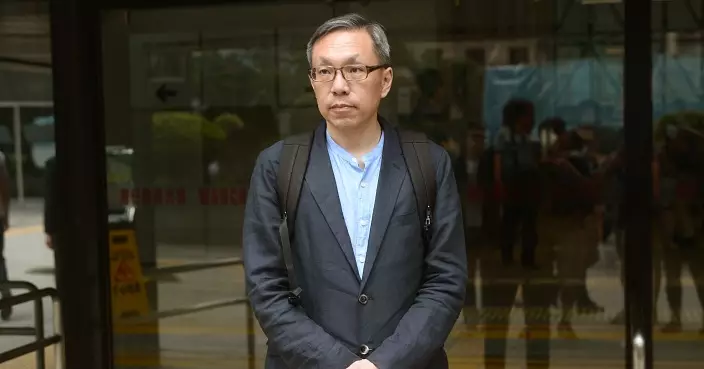
前《壹傳媒》行政總裁張劍虹。(圖片來源:星島日報)
黎確認要求下屬鼓勵更多學生聯署參與示威
控方展示黎於同年6月3日針對6.9大遊行向陳沛敏指「我們應該找些聯署學生訪問,激發其他學生69出來」、「主要訪問他們,不是針對『師兄』『師姐』而是激發其他學生出來」,控方指黎當時要求下屬鼓勵更多學生參與示威?黎同意,但已不記得聯署是甚麼。控方再問為何黎想更多學生參與示威?黎指,因愈多人參與示威,愈有力量。控方追問為何是學生而非成年人?黎指,因學生是運動的一部分,學生可激發更多人參與示威。控方問黎想透過學生獲得公眾同情?黎否認,指聯署學生應指大學生。控方問黎亦想中學生參與示威?黎否認。
法官杜麗冰問黎提到「主要是訪問他們,不是針對師兄師姐而是激發其他學生出來」,其他學生是指中學生?黎否認,其他學生應指沒參與聯署的學生,主要是大學生。
控方展示針對 6.9大遊行中,黎與前《蘋果動新聞》總監張志偉對話,黎把自己發送給前《蘋果》總編輯羅偉光的訊息轉發給張志偉,「單車遊行宣傳太無用! 今天用push給他們宣傳,呼籲所有單車發燒友明天參與!」張回覆「收到」。控方指黎當時利用《蘋果》作為平台呼籲更多人6月9 日上街,黎確認。
黎著下屬用「不撤不散」標題 黎否認作編採指示遭法官質疑
控方再展示616大遊行前,黎於6月15日向陳沛敏發訊息提到「不撤不散!」,指可用作標題,陳隨後回覆「今日上街 不撤不散」,黎稱「繼續上街直到林鄭仆X!我內心的標題。」控方指,黎當時提出報道可用作標題?黎指是他內心的標題。控方質疑黎稱可考慮用作標題?黎指當時並非向陳提出標題。庭上展示陳發送的「不撤不散」的封面範本,黎指,當時員工早已完成標題,黎只是重複內容,非由黎提供標題。
但法官杜麗冰質疑,黎在訊息中要陳考慮甚麼標題?黎指可能是關於海報,非報紙報道。杜官再指,黎對標題作出指示?黎指當時著對方考慮,並非指示。控方再指黎與高層的訊息可見黎透過《蘋果》呼籲人上街,黎確認。
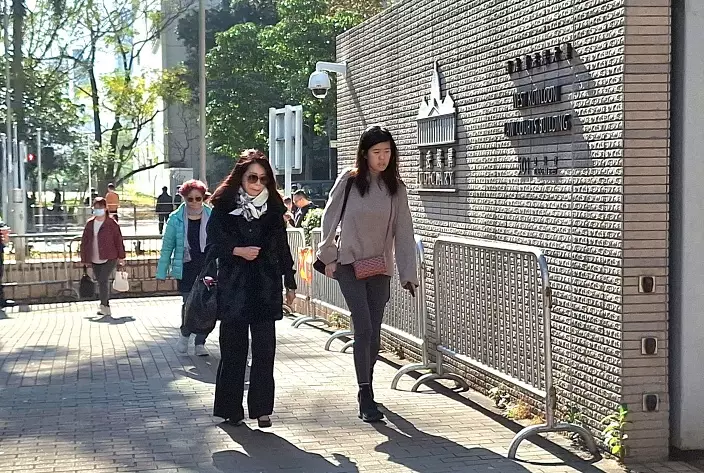
黎的妻女續到庭聽審。(巴士的報記者攝)
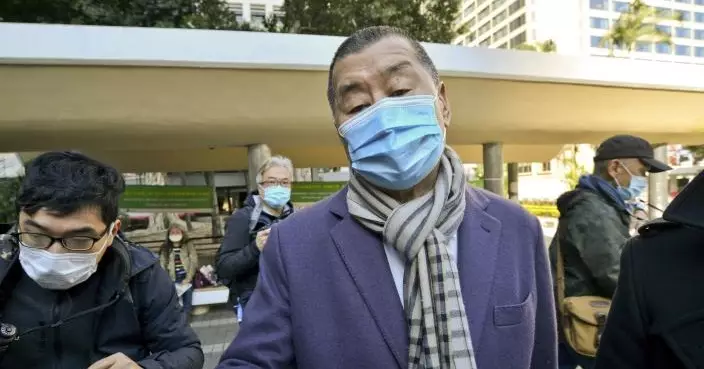
被告黎智英。(圖片來源:星島日報)
12月21日,外交部駐港公署特派員崔建春在《南華早報》發表題為《關於黎智英案,你應該知道這些》的署名文章。針對西方輿論的某些負面解讀,由黎智英為何被定罪、黎智英是否受到不公正對待,以及干預黎案的西方國家做錯了什麼三方面,全面闡明關於黎案事實,希望以此維護法治精神,讓全世界見證法治保障下的香港充滿生機活力與繁榮穩定。
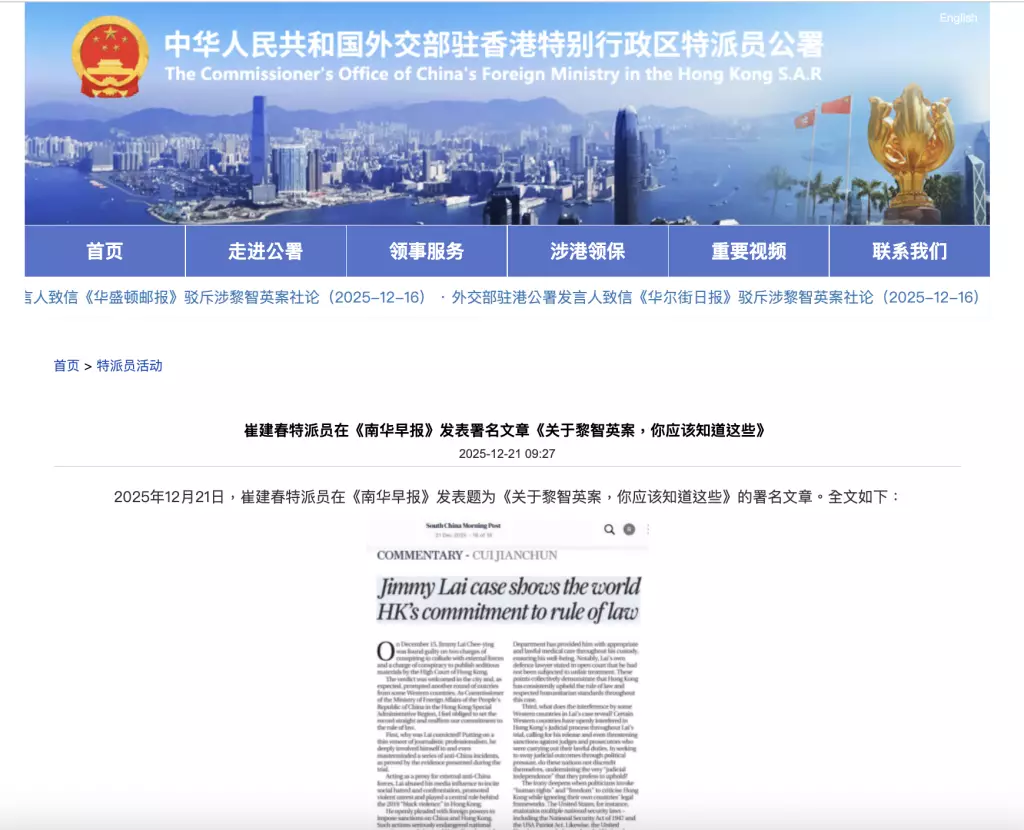
網站截圖
全文如下:
12月15日,香港特區依法裁決黎智英兩項串謀勾結外國勢力罪及一項串謀發布煽動刊物罪成立,香港社會各界同聲支持,廣大市民拍手稱快,但某些西方輿論卻出現了一些負面解讀。作為中國外交部駐香港特區特派員,我深感有責任闡明事實,維護法治精神。
黎智英為何被定罪?
庭審過程揭露的大量事實和證據有力證明,黎智英慣用所謂「新聞工作者」美化包裝自己,其實質上是一系列反中亂港事件的主要策劃者和參與者,是外部反華勢力的馬前卒。他濫用輿論工具煽動仇恨、激化對抗,鼓動支持暴亂活動,是2019年香港「黑暴」的幕後推手。他公然乞求外國對中國和香港特區實施制裁,甚至叫囂「為美國而戰」。此種種行徑,嚴重危害國家安全,給香港社會造成嚴重傷害,給香港市民留下徹骨之痛,必須依法受到追究懲處。

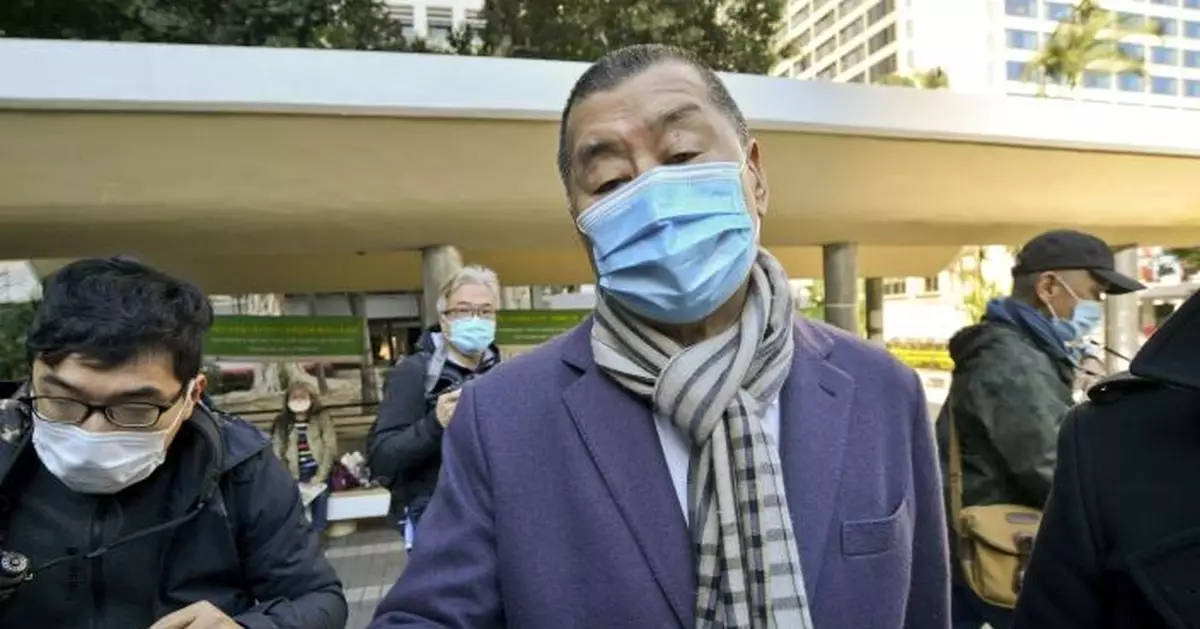
黎智英。AP資料圖片
在世界任何國家法律體系中,黎所作所為都屬於嚴重違法犯罪行為。試想,如果一個西方人,利用其影響力煽動公民對抗本國政府,還密會他國政要,請求對方對本國實施制裁,這個西方國家司法體系會姑息他嗎?答案不言而喻。
黎智英是否受到不公正對待?
香港是法治社會,有法必依、違法必究、執法必嚴。黎智英案審理過程公開透明,程序公平正義,黎各項合法權利得到有效保障。任何願意查閱庭審記錄的人都會看到,這是一場嚴格遵循程序正義的法律審判。
針對黎在押期間待遇問題,事實勝於雄辯。懲教署始終依法為其提供完備醫療護理,確保身體狀況良好。黎代理律師當庭證實黎未受到不公正待遇。這些事實充分表明,香港特區政府在執法的每個環節,都恪守著法治與人道主義原則。
干預黎案的西方國家做錯了什麼?
在案件審理及宣判過程中,某些西方國家公然干預香港司法,叫囂要求釋放黎智英,甚至威脅對履職盡責的特區法官和檢控官實施所謂「制裁」。這種試圖通過政治施壓左右司法判決的行為,難道不是對這些國家所標榜的「司法獨立」精神的最大嘲諷嗎?
更諷刺的是,那些打著「人權」「自由」幌子對本案指手畫腳的政客,選擇性遺忘了他們的國家是如何做的。美國有《1947年國家安全法》《愛國者法》等數十部維護國家安全的法律;英國近年也通過了新的《國家安全法》。當他們執行這些法律時,他們稱之為「捍衛法治」;而當香港特區依法采取同等性質行動時,卻被污蔑為「壓制自由」。這種赤裸裸的虛偽雙標,難道不是對國際關係基本准則的公然踐踏嗎?
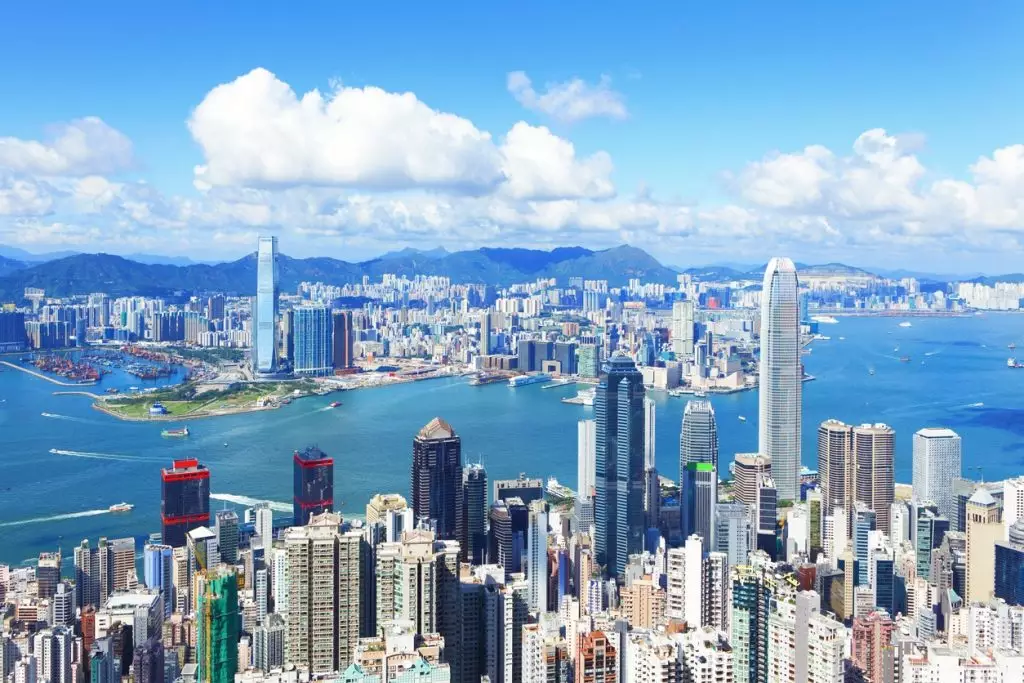
資料圖片
今天的香港,已邁入由治及興新階段。一個法治健全、繁榮穩定的香港,不僅符合七百萬香港市民利益,也符合國際社會的共同利益。我們真誠歡迎各國朋友來到香港,親眼見證法治保障下這座城市的生機活力與繁榮穩定。
Jimmy Lai case shows the world HK's commitment to rule of law
On December 15, Jimmy Lai Chee-yingwas found guilty on two charges of conspiring to collude with external forces and a charge of conspiracy to publish seditious materials by the High Court of Hong Kong.
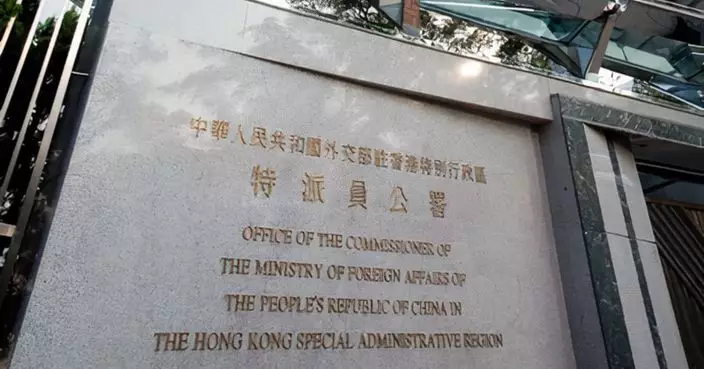
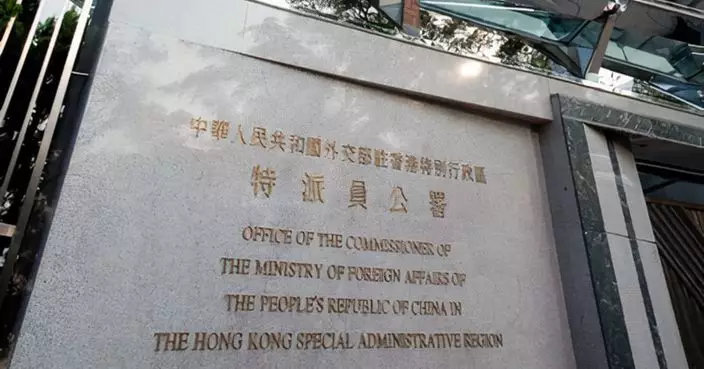
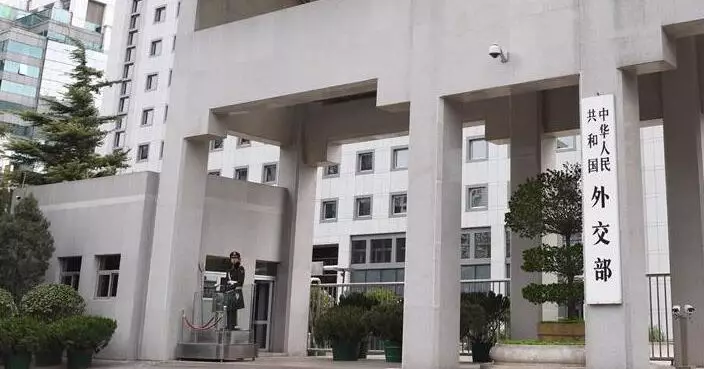
外交部駐港公署。資料圖片
The verdict was welcomed in the city and, as expected, prompted another round of outcries from some Western countries. As Commissioner of the Ministry of Foreign Affairs of the People’s Republic of China in the Hong Kong Special Administrative Region, I feel obliged to set the record straight and reaffirm our commitment to the rule of law.
First, why was Lai convicted? Putting on a thin veneer of journalistic professionalism, he deeply involved himself in and even masterminded a series of anti-China incidents, as proved by the evidence presented during the trial.
Acting as a proxy for external anti-China forces, Lai abused his media influence to incite social hatred and confrontation, actively promoted violent unrest and played a central role behind the 2019 “black violence” in Hong Kong.
He openly pleaded with foreign powers toimpose sanctions on China and Hong Kong. Such actions seriously endangered national security, severely harmed Hong Kong’s social stability and inflicted lasting trauma on its citizens. It was therefore not only necessary but imperative for him to face legal consequences.
In any jurisdiction, Lai’s actions would constitute serious criminal offences. To draw a parallel: if someone from a Western country used his influence to incite violence against his own government, colluded with foreign officials and called for sanctions to be imposed against his own nation, would that country’s judicial system allow such behaviourto go unpunished? The answer is obvious.
Second, was Lai treated unfairly? Absolutely not. He received a trial conducted in strict accordance with the law, during which his legal rights were fully safeguarded. Hong Kong’s judicial process is fair, transparent and adheres rigorously to legal procedures. The publicly available court records confirm that due process was meticulously followed at every stage.
As for his treatment in detention, the facts are clear. Hong Kong’s Correctional Services Department has provided him withappropriate and lawful medical care throughout his custody, ensuring his well-being. Notably, Lai’s own defence lawyer stated in open court that he had not been subjected to unfair treatment. These points collectively demonstrate that Hong Kong has consistently upheld the rule of law and respected humanitarian standards throughout this case.
Third, what does the interference by some Western countries in Lai’s case reveal? Certain Western countries have openly interfered in Hong Kong’s judicial process throughout Lai’s trial,calling for his release and even threatening sanctions against judges and prosecutors who were carrying out their lawful duties. In seeking to sway judicial outcomes through political pressure, do these nations not discredit themselves, undermining the very “judicial independence” that they profess to uphold?
The irony deepens when politicians invoke “human rights” and “freedom” to criticise Hong Kong while ignoring their own countries’ legal frameworks. The United States, for instance, maintains multiple national security laws – including the National Security Act of 1947 and the USA Patriot Act. Likewise, the United Kingdom passed a heavy-handedNational Security Act two years ago.
When these countries enforce such laws, they describe them as “defending the rule of law”. Yet, when Hong Kong takes legally comparable measures to safeguard national security, the same actions are labelled as “suppressing freedom”. Is this not a clear example of double standards and a departure from the fundamental norms of international relations?
Hong Kong has now entered a new stage of pursuing sustained prosperity on the basis of social stability. A law-based, thriving and secure Hong Kong benefits not only its 7.5 million residents but also the wider international community. We warmly welcome friends from across the world to visit Hong Kong and see for themselves the vitality and stability that the rule of law protects and promotes.