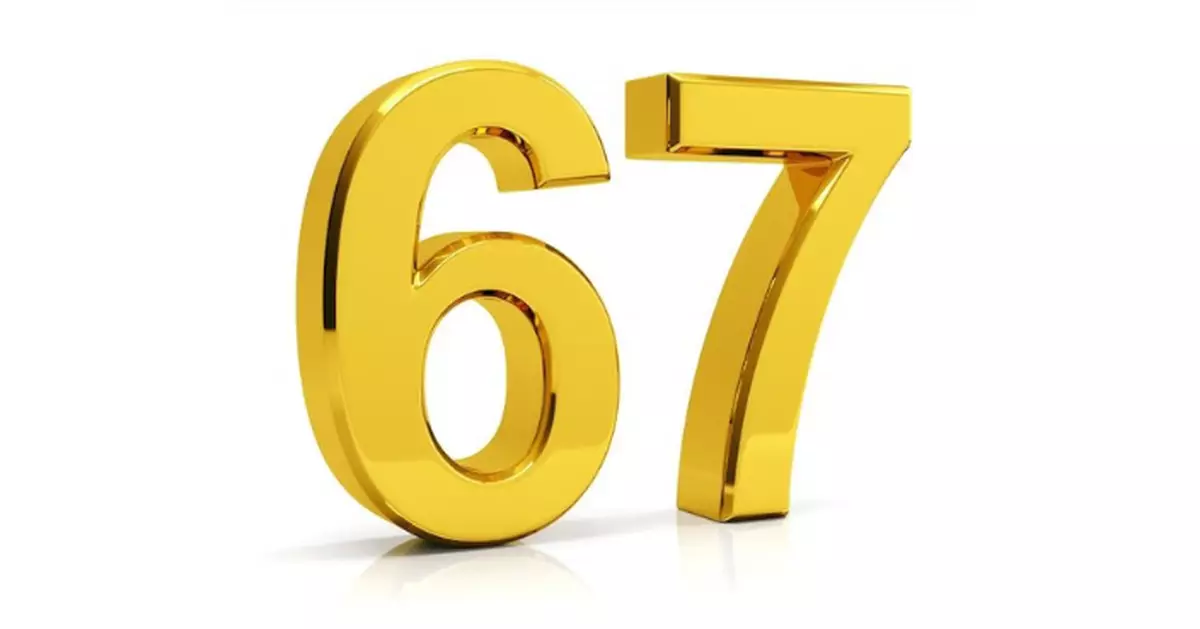
美國青少年近期掀起一股「67」熱潮,兩個簡單數字透過TikTok等平台迅速蔓延,成為新世代圈內暗號。這波無厘頭迷因不僅讓師長頭痛,更引發媒體對網路文化與世代隔閡的關注。
快餐店叫號引爆狂歡
在連鎖快餐店In-N-Out,當店員喊出「67號取餐」時,全場青少年瞬間歡呼起舞,影片在社群平台瘋傳。這種看似無意義的數字組合,卻成為Z世代的共同笑點,連《華爾街日報》、NBC《今日秀》都專題探討其現象。
TikTok is flooded with videos of kids saying the numbers “six, seven,” or descending into a frenzy when they hear someone else say it, with more than 2 million posts using the hashtag #67, according to TikTok’s analytics. Find out what's behind the trend. (Photo: Joshua Applegate… pic.twitter.com/vaTP16LI5W
— Forbes (@Forbes) October 16, 2025
教師禁講反助長風氣
為維持課堂秩序,部分教師明文禁止學生提及「67」,卻反而激發學生叛逆心理。有老師改採「以尬制尬」策略,主動在課堂使用該詞,讓學生因尷尬而自然冷卻熱潮,意外奏效。
起源於費城嘻哈文化
多數觀點認為,「67」起源自饒舌歌手Skrilla歌曲《Doot Doot》及其出身地費城67街,後因身高6尺7寸的NBA球員波爾(LaMelo Ball)使用該曲剪輯影片,在社群發酵成迷因。
Another key face of the trend is Maverick Trevillian — better known online as the “6-7 meme kid.” His exaggerated hand motions and catchphrase clips helped push the meme even further across TikTok, cementing it as one of the year’s most recognizable trends. pic.twitter.com/mQ1JWL2U7L
— XXL Magazine (@XXL) October 14, 2025
56%家長用詞反遭子女尷尬
調查顯示,35%家長坦言聽不懂子女的流行語,56%家長嘗試使用卻讓孩子感到尷尬。《今日秀》分析,這類「世代內哏」的意義在於建立同儕認同,當成年人開始模仿,流行生命便告終結。
The kids so addicted to this 6,7 trend 😂😂😂 pic.twitter.com/jS4pNKvgVH
— solé (@layxsnv) October 16, 2025
迷因如網路垃圾食物
有媒體將此現象稱為「腦腐」(Brain rot),指短影音時代的無意義迷因如垃圾食物般充斥網路,削弱青少年深度思考能力。然而,這種快速興衰的流行語,正成為數位世代身份認同的獨特印記。
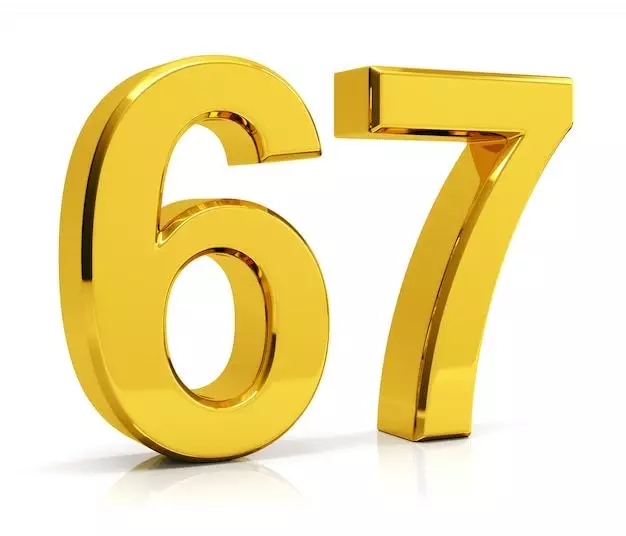
美國青少年近期掀起一股「67」熱潮。資料圖片