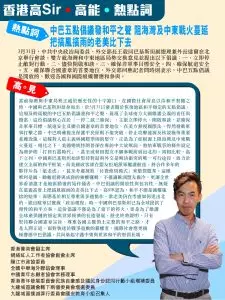

從山寨到巔峰,中國電單車75年蝶變與香港之為

2026年3月29日,葡萄牙阿爾加維賽道,世界超級電單車錦標賽(WSBK)頒獎台首次飄起五星紅旗。中國品牌「張雪機車」在WorldSSP組別兩度奪冠,打破歐美日品牌數十年壟斷,一時間全網沸騰,車迷紛紛搶購冠軍車型。筆者認為,這一刻不僅是一個品牌的勝利,更是中國電單車產業75年奮鬥的最好注腳。
從「井岡山」起步:從專用車輛到「價格屠夫」的時代代價
1951年,解放軍北京第六汽車製配廠仿照德國迅達普K500,造出第一輛國產電單車「井岡山」,開啟中國電單車歷史。此後三十年,電單車主要服務軍隊與郵政體系,1980年全國年產僅4.9萬輛。改革開放與「軍轉民」政策讓行業爆髮式增長,1993年產銷突破500萬輛,超越日本成為全球第一。
但高速發展也埋下隱憂。1997年起,嘉陵、力帆、隆鑫等企業扎堆進軍越南,以低價搶佔市場,短短數年佔據當地80%份額,卻陷入惡性價格戰:出口均價由800美元暴跌至200美元,單車利潤最低僅30元,業界甚至戲稱「電單車論斤賣還不如排骨貴」。更嚴重的是,部分企業偷工減料、仿冒日牌,讓「中國製造」長期背負低質、山寨的標籤。在筆者看來,這段歷史既是產業野蠻生長的縮影,也是後來必須痛定思痛、轉型升級的根本原因。
重慶崛起與創業者執著:從價格競爭到技術為王
內地「禁摩令」實施後,市場大幅收縮,大批企業倒閉,行業迎來大浪淘沙。倖存者紛紛走上高質量發展之路,重慶更憑藉完整產業鏈成為「電單車之都」。2025年數據顯示,重慶電單車年產785.7萬輛、出口610.9萬輛,核心零部件本地配套率超90%,為品牌衝擊世界頂峰打下堅實基礎。
張雪的出現,更讓國產電單車迎來轉折點。這位年輕創業者24歲帶2萬元到重慶打拼,2017年參與創立凱越機車,後因堅持高強度研發而另起爐灶,2024年創立「張雪機車」。2025年推出的500RR定價高於同級競品,仍實現銷售2.5萬台、產值7.5億元,即便研發投入巨大而出現暫時虧損,也證明市場認可技術與品質。最終,他帶820RR征戰WSBK並登頂世界。筆者深感,這不只是一個創業神話,更是中國製造從「拼價格」走向「拼技術」的真實寫照。
從仿製到引領:中國製造升級的生動範本
回望75年,從仿制起步、到價格戰低谷、再到產業鏈成熟、工程師企業家崛起,最終站上世界頂級賽事領獎台,中國電單車的歷程,正是中國製造轉型升級的縮影。
在筆者眼中,這條路清晰地告訴世界:中國早已不只是低端「世界工廠」,而是具備原創實力的創新高地;中國品牌不再甘居價值鏈底端,而是敢於在全球賽場與國際強隊正面對抗,用成績爭取話語權與標準制定權。
香港的角色:從轉口港到「超級增值人」正當其時
面對中國電單車乃至更多國貨品牌走向全球,筆者認為,香港絕不能只停留在傳統轉口港角色,而應以自身優勢成為「超級增值人」,在四方面發揮關鍵作用:
第一,知識產權守護者。香港法律體系與國際接軌,可為中國企業提供專利布局、商標註冊、國際仲裁與海外維權服務,解決品牌出海最大隱憂。
第二,高端品牌策源地。香港匯聚國際設計、營銷、傳播人才,能幫助國產電單車塑造國際形象、策劃全球推廣、實現本土化落地,讓「中國技術」擁有「國際品牌氣質」。
第三,國際資本與標準連接器。作為國際金融中心,香港可為高成長製造企業提供融資、上市等金融支持;同時對接國際行業組織,助力中國參與電動化、智慧出行新標準制定,搶佔未來先機。
第四,綠色出行示範窗口。香港重視低碳環保,可作為國產電動電單車面向發達市場的試驗與展示平台,通過與本地交通、物流企業合作打造標杆案例,進而輻射東南亞乃至全球。
張雪機車奪冠,最打動筆者的並非一場勝利,而是一個民族產業75年來歷經挫折卻從未放棄的韌性。從仿制到被仿制,從「價格屠夫」到世界冠軍,中國電單車走完了一段極不平凡的追趕之路。
今天,中國製造已具備厚積薄發的實力,而香港具備連接中外的獨特優勢。在筆者看來,香港完全有能力、也有責任,幫助更多中國品牌講好世界故事,以專業優勢為國貨出海賦能。下一個75年,當中國製造更深地融入全球,香港必將成為這段征程中不可或缺的關鍵力量。
作者簡介:高松傑,人稱高Sir,男,香港建設力量KOL、時評人,大灣區創業者、灣區推介官、2023深圳十大好網民,工商管理碩士,本科修商業、公共及社會行政,多個平台均有文章及視頻專欄,發放愛國愛港正能量,講好中國故事及香港故事
香港再出發共同發起人、香港菁英會副主席、網絡紅人工作者協會創會主席、陽江市政協委員、全國中華海外聯誼會理事、中國青年志願者協會常務理事、河南省青聯港區常委、香港青年發展委員會民族自豪感及國民身份認同行動小組增補委員、第七屆九龍城區議會轄下地區設施及工程委員會和社區參與及文化康樂委員會增選委員、九龍城區撲滅罪行委員會國安教育小組召集人、家維關愛隊成員、地區國安導師
From Copycats to World Champions:
China’s 75-Year Motorcycle Journey and Hong Kong’s Unique Role
On March 29, 2026, at the Algarve International Circuit in Portugal, the Chinese national flag was raised for the first time on the podium of the World Superbike Championship (WSBK). The Chinese brand Zhangxue Motorcycle claimed two victories in the WorldSSP class, breaking the decades-long championship monopoly of European, American, and Japanese brands. The news swept across the internet, with fans rushing to buy the championship-winning models. In the author’s view, this moment is not only a triumph for one brand, but also the best testament to 75 years of struggle in China’s motorcycle industry.
Starting with "Jinggangshan": From Specialized Vehicles to the "Price Killer"
In 1951, the 6th Beijing Automobile Repair and Manufacturing Factory of the People’s Liberation Army produced China’s first domestically made motorcycle, the Jinggangshan, modeled after the German DKW K500, launching the history of China’s motorcycle industry. For the next three decades, motorcycles mainly served military logistics and postal services, with annual national output reaching only 49,000 units by 1980.
Reform and opening-up, along with the military-to-civilian conversion policy, brought explosive growth to the industry. By 1993, China’s motorcycle production and sales exceeded 5 million units, surpassing Japan to become the world’s largest producer and consumer.
Yet rapid growth came with hidden risks. Beginning in 1997, manufacturers such as Jialing, Lifan, and Loncin crowded into the Vietnamese market with low-cost products. Within years, they captured 80% of the local market share, but at the cost of a brutal price war: average export prices plummeted from $800 to $200, with per-unit profits as low as 30 yuan. Industry insiders even joked that “Chinese motorcycles are sold by weight, cheaper than pork ribs.”
Worse still, some manufacturers cut corners to reduce costs, leading to frequent safety failures such as broken frames, and some even counterfeited Japanese trademarks. As a result, “Made in China” became long associated with poor quality and copycat products. In the author’s opinion, this period reflects both the wild growth of the industry and the fundamental reason for its later painful transformation and upgrading.
The Rise of Chongqing and an Entrepreneur’s Persistence: From Price Competition to Technology Leadership
After restrictions on motorcycle use were introduced across mainland China, the domestic market shrank sharply, and many companies closed down in a major industry shakeout. Survivors shifted toward high-quality development. Chongqing, supported by its complete industrial chain, emerged as China’s “Motorcycle Capital.”
Statistics for 2025 show Chongqing produced 7.857 million motorcycles, exported 6.109 million units, and achieved a local supporting rate of over 90% for key components, laying a solid foundation for Chinese brands to challenge the world’s top level.
The emergence of Zhang Xue marked a turning point for China’s motorcycles. At 24, he arrived in Chongqing with just 20,000 yuan. In 2017, he co-founded Kove Motorcycle, but later parted ways due to his insistence on aggressive research and development, in contrast to partners who preferred steady optimization. In 2024, he founded Zhangxue Motorcycle with full operational control.
Its 2025 model 500RR was priced 1,000 to 4,000 yuan higher than competitors, yet still sold 25,000 units, generating 750 million yuan in output value. Despite a temporary loss of 22.78 million yuan due to heavy R&D investment of 69.58 million yuan, the results proved strong market recognition of technology and quality. Zhang Xue then took the 820RR to compete in WSBK and reached the top of the world. The author believes this is not merely an entrepreneurial legend, but a vivid portrayal of Made-in-China shifting from “competing on price” to “competing on technology.”
From Imitation to Leadership: A Model for China’s Manufacturing Upgrade
Over 75 years, China’s motorcycle industry has evolved from early imitation, through the low point of price wars, to a mature industrial chain centered in Chongqing and the rise of engineer-entrepreneurs, finally standing on the podium of the world’s top racing event. This journey perfectly encapsulates the transformation and upgrading of China’s manufacturing sector.
In the author’s eyes, this path sends a clear message to the world:
China is no longer just a low-end “world factory,” but a global hub for innovation.
Chinese brands no longer accept a low position in the value chain; instead, they dare to compete head-to-head with international giants on the global stage, striving for voice and standard-setting power through real achievements.
Hong Kong’s Role: From Entrepôt to "Super Value Adder"
As Chinese motorcycles and more domestic brands go global, the author argues that Hong Kong must go beyond its traditional role as a mere entrepôt and leverage its unique strengths to become a super value adder for Chinese brands going global, in four key areas:
First, guardian of intellectual property. Hong Kong’s legal system aligns with international standards, providing services for patent layout, trademark registration, international arbitration, and overseas rights protection, solving a major concern for brands expanding abroad.
Second, source of high-end branding. Hong Kong gathers top international designers, marketers, and communication professionals. It can help Chinese motorcycle brands shape global images, plan worldwide campaigns, and implement localized strategies, giving “Chinese technology” an “international brand identity.”
Third, connector of international capital and standards. As an international financial center, Hong Kong offers financing and listing channels for fast-growing manufacturers. It can also link with international industry bodies, supporting China in shaping technical and environmental standards for electric motorcycles and smart mobility, and seizing future dominance.
Fourth, demonstration window for green mobility. Hong Kong prioritizes low-carbon environmental protection and can serve as a testing and showcase platform for Chinese electric motorcycles targeting developed markets. Through cooperation with local transport and logistics companies, Chinese brands can build benchmark cases in high-end commercial electric two-wheelers, then expand across Southeast Asia and globally.
What touches the author most about Zhangxue Motorcycle’s championship is not a single victory, but the resilience and perseverance of a national industry that never gave up through 75 years of setbacks. From imitation to being imitated, from “price killer” to world champion, China’s motorcycle industry has traveled an extraordinary road of catching up.
Today, China’s manufacturing has built up the strength to take off, and Hong Kong holds unique advantages connecting China and the world. In the author’s opinion, Hong Kong is fully capable and responsible for helping more Chinese brands tell their global stories and empowering them to go global with professional advantages.
China’s manufacturing sector has traveled 75 years. In the next chapter of engaging with the world, Hong Kong will be an indispensable and key force.
Jacky Chung Kit Ko (HK Ko Sir)
高Sir正能量
** 博客文章文責自負,不代表本公司立場 **