/wp-content/uploads/blogger/2025/11/MEITU_20251105_1342594484-225x300.jpg.webp)
【廣貨行天下|一脈「香山」連南北,本週末中山百貨進北京】
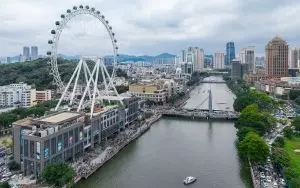
春光正好,南北同風,當岐江碧水漾起溫潤波光,北京香山公園的層林亦悄然舒展一抹新綠。中山與北京,兩座以「香山」為紐帶的城市,正以商為橋、以文為脈,跨越千里遙相呼應,共赴一場春之邀約。
點擊看圖輯

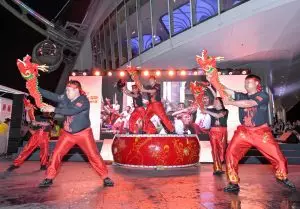
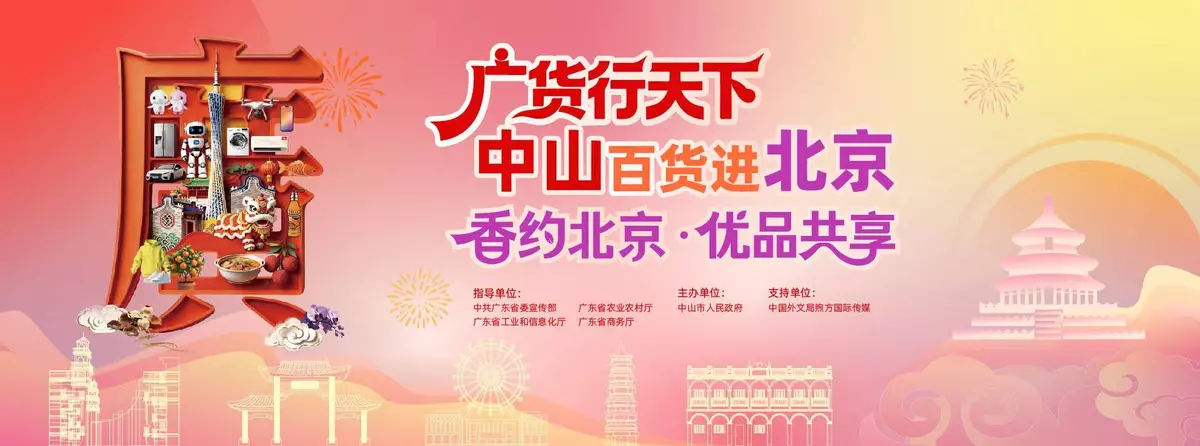
4月18日至19日,「廣貨行天下·中山百貨進北京——香約北京·優品共享」活動將在北京舉辦。活動啟動儀式定於18日上午在北京王府井希爾頓酒店(燈籠廳)舉行;活動主會場設於王府井百貨大樓廣場,另在十里河燈飾城、萬隆匯洋家居燈飾廣場(中國燈飾之都<古鎮>全國直銷基地)同步設分會場。
這場跨越千里的經貿之約,既是兩地文脈的再續前緣,亦是南北攜手共進的生動實踐。
兩處香山,南北相望
南粵故郡,桂峰流韻,千年香火連文脈;燕京新顏,楓嶺披霞,兩地同名共古今。縱覽中國,稱「香山」之名的有多地、多處。而神京右臂與南海之濱恰有兩處,一北一南,深情相望。
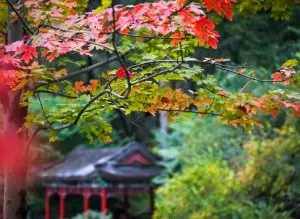
北京香山,位於京西翠微山麓。據明代文獻記載,香山因最高峰有兩塊形似香爐的巨大岩石,每逢陰雨天雲霧繚繞,宛若香爐生煙,故得名「香爐山」,簡稱「香山」;亦有記載稱,香山曾遍植杏花,每年花期一到,花香馥郁漫山,「香山」之名由此而來。這座京郊名山,不僅以紅葉盛景馳名中外,更是一處熠熠生輝的革命聖地,作為「中國共產黨人『進京趕考』的首站」,在近代史上留下了濃墨重彩的一筆。
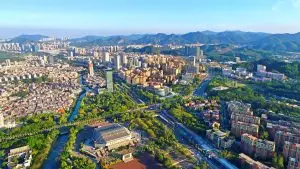
而在嶺南珠江口外,漢唐時期便有一座孤懸伶仃洋的「香山島」,《東莞縣誌》等文獻記載:「縣南隔海三百里,地多神仙花卉,故曰:香山」。彼時的香山,是名副其實的海島,境域涵蓋今中山、珠海及澳門一帶,自唐朝起隸屬東莞縣,南宋紹興二十二年(1152年)正式設香山縣,隸屬廣州府。香山依託珠江口的海洋優勢,孕育了開放包容、敢闖敢試的海洋文化,成為嶺南重要的商埠與僑鄉,更走出了孫中山先生這樣的偉人。
1925年,兩座「香山」完成了跨越時空的命運共振。這年3月12日,孫中山先生在北京病逝,靈柩經社會各界公祭後,於4月2日移至北京香山碧雲寺金剛寶座塔內暫厝,直至1929年南京中山陵落成後奉安南下;就在一個月後的4月15日,將孫中山先生的故鄉「香山縣」更名為「中山縣」,以紀念其豐功偉績。
從此,北京香山承載着偉人的身後榮光,中山大地延續着偉人的精神血脈,兩座城市以「香山」為媒,在歷史的長河中緊緊相連。
優品進京,共續佳話
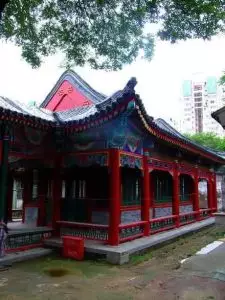
清嘉慶年間,北京珠朝街建起香山會館(後改稱「中山會館」),成為香山籍人士在京經商、聯誼的核心場所,兼具商貿信息互通、資金結算、同鄉落腳等功能,默默見證兩地跨越千里的商脈聯結。
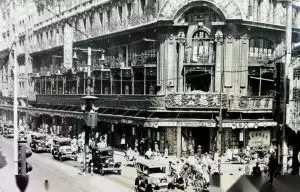
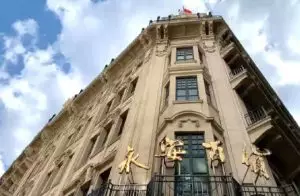
近代以來,香山商人以敢闖敢試的開拓精神,開創中國現代百貨業先河。以馬應彪創辦的先施公司、郭樂與郭泉兄弟創辦的永安公司為代表的「四大百貨」,將明碼標價、分櫃經營、娛樂消費於一體的新式商業模式向北輻射,帶動廣貨風靡京城,推動北京商業業態革新,書寫南北商貿交融的佳話。
歷史的車輪滾滾向前,昔日南北商貿的餘韻,而今跨越時空傳來迴響。
4月18日至19日舉行的「廣貨行天下・中山百貨進北京——香約北京・優品共享」活動,中山將攜名優好物與滿滿誠意進京。活動啟動儀式將於18日上午10時在北京王府井希爾頓酒店(燈籠廳)舉行;活動主會場設在北京市王府井百貨大樓廣場,分會場設在十里河燈飾城、萬隆匯洋家居燈飾廣場(中國燈飾之都<古鎮>全國直銷基地)。
繼今年初「中山百貨」先後走進上海、深圳、澳門等地後,此次北上北京是中山深化「廣貨行天下」戰略部署、推動珠三角城市與京津冀市場深度融合的重要一步。「中山百貨進N城」活動開展以來,中山百貨已斬獲近60億元購銷合作,此次進京將進一步拓展華北市場版圖,讓首都市民近距離感受「中山製造」「中山味道」「中山文化」的獨特魅力。
多維展區,亮點紛呈
據了解,本次活動將以「香約北京・優品共享」為主題,在主會場王府井北京市百貨大樓廣場搭建線下中山優品活動區,圍繞家電、家具、消費電子、服裝、日化、食品、文旅、住房等重點類別打造消費主題展區,搭建購物、休閒旅遊一站式場景,集中展現中山城市形象及科技創新、生產製造、美好生活、宜居宜業、非遺傳承等方面的最新成果。
線下中山優品活動分為六大展區:
1.魅力中山:全面展示中山城市形象、營商環境、「工改」及治水成效。通過圖文視頻展示中山與北京在產業對接、科技創新、文化交流等方面的合作成果。
2.智造中山:全面展示中山製造業企業發展水平和智能製造實力,組織機器人、無人機、健康醫藥、智能家電、美居生活等先進製造產業和優勢傳統產業的名優企業開展現場推介、現場銷售、現場直播帶貨。
3.文旅中山:推廣孫中山故里、中山溫泉旅遊度假區等核心旅遊資源、推介特色民宿及春季精品旅遊線路、中山十大美食。組織重點景區、文旅企業到場推介、展銷;活動期間現場開展非遺表演;設置非遺文創展示區,吸引北京市民及遊客赴中山旅遊。
4.宜居中山:主要展示優質樓盤項目、購房優惠政策,通過視頻和專員駐點「一對一」政策諮詢,集中推介「中山好房子」。
5.美味中山:
◆中山香農:主要展示中山本土特色農產品和食品,宣傳推廣「中山香農」品牌,同步開展現場銷售、試吃互動等環節。
◆美食集市:宣傳推廣中山特色美食、特色咖啡茶飲等,發動知名酒樓現場展示美食,邀請市民品嘗。
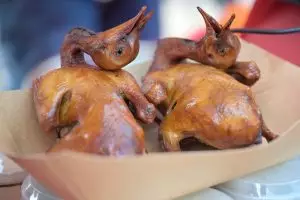
值得一提的是,此次線下活動還將設置黃圃腊味獨立特裝展銷區,7家行業標杆企業集體進駐,向首都消費者全方位展示國家地理標誌產品-黃圃腊味的百年匠心與產業實力。
6.名城中山:各鎮街根據自身產業特色(如古鎮燈飾、沙溪服裝、大涌紅木等),設立特色展位,展示「一鎮一品」發展格局,對接北方市場。
Guangdong Goods Travel the World|A Fragrant Hill Linking North and South, Zhongshan’s Finest Goods Head to Beijing This Weekend
As spring unfolds in full splendor, the north and south share the same breeze. While gentle waves ripple across the Qijiang River, layers of forests in Beijing’s Fragrant Hill Park quietly stretch into fresh green. Zhongshan and Beijing—two cities connected by the name “Fragrant Hill”—are responding to a spring invitation across a thousand miles, linked by commerce and bonded by culture.
From April 18 to 19, the event “Guangdong Goods Travel the World · Zhongshan Department Stores Enter Beijing – Fragrant Encounter in Beijing · Sharing Quality Products” will be held in Beijing. The opening ceremony will take place on the morning of April 18 at the Lantern Hall of the Hilton Beijing Wangfujing. The main venue is set at the Plaza of Wangfujing Department Store, with branch venues at Shilihe Lighting City and Wanlong Huiyang Home Furnishing & Lighting Plaza (the national direct sales base of the “Capital of Lighting” in Guzhen, Zhongshan).
This cross-thousand-mile economic and trade gathering is not only a renewal of cultural ties between the two regions but also a vivid practice of north-south collaboration and progress.
Two Fragrant Hills, Facing Each Other Across China
An ancient city in southern Guangdong, with poetic scenery of Gui Peak and a thousand-year-old cultural heritage linked by incense; a new face of Yanjing, with maple ridges glowing in rosy clouds, two places sharing the same name through history.
Across China, many places bear the name “Fragrant Hill”. Two such sites stand out—one in the north, one in the south, gazing at each other across the land.
Beijing Fragrant Hill is located at the foot of the Cuiwei Mountains in western Beijing. According to Ming-dynasty documents, it was named “Incense Burner Mountain” (shortened to “Fragrant Hill”) because its highest peak features two huge rocks resembling an incense burner, often shrouded in mist and cloud on rainy days, as if smoke curling from a burner. Other records note the mountain was once covered with apricot blossoms, whose fragrance filled the hills during bloom, giving rise to its name. Famous worldwide for its red autumnal leaves, Beijing Fragrant Hill is also a revered revolutionary site, serving as the “first stop of Chinese Communists entering Beijing for the examination”, leaving a profound mark in modern history.
On the other hand, by the mouth of the Pearl River in Lingnan, there stood an isolated island in the Lingding Ocean known as “Fragrant Hill Island” as early as the Han and Tang dynasties. Historical records such as Annals of Dongguan County note: “Three hundred li south of the county, across the sea, the land abounds with fairy flowers and plants, hence named Fragrant Mountain.” In those days, Fragrant Mountain was a genuine island covering present-day Zhongshan, Zhuhai and Macao. It came under the jurisdiction of Dongguan County in the Tang Dynasty and was officially established as Xiangshan County in the 22nd year of the Shaoxing reign of the Southern Song Dynasty (1152), under the governance of Guangzhou Prefecture.
Leveraging its maritime advantages on the Pearl River estuary, Fragrant Mountain nurtured an open, inclusive and pioneering maritime culture, becoming a key commercial port and hometown of overseas Chinese in Lingnan. It was also the birthplace of the great pioneer Dr. Sun Yat-sen.
In 1925, the two “Fragrant Hills” achieved a timeless connection. On March 12 that year, Dr. Sun Yat-sen passed away in Beijing. After public memorial ceremonies, his coffin was temporarily placed at the Diamond Seat Pagoda in Biyun Temple, Beijing Fragrant Hill, on April 2, until it was moved south to the Sun Yat-sen Mausoleum in Nanjing in 1929. Just one month later, on April 15, the hometown of Dr. Sun Yat-sen, “Xiangshan County”, was renamed “Zhongshan County” in memory of his great contributions.
Since then, Beijing Fragrant Hill has carried the legacy of the great man, while the land of Zhongshan has continued his spiritual heritage. Bound by “Fragrant Hill”, the two cities have been closely linked in the long river of history.
Quality Products Enter Beijing, Continuing a Timeless Story
During the Jiaqing reign of the Qing Dynasty, the Xiangshan Guild Hall (later renamed Zhongshan Guild Hall) was built on Zhuchao Street in Beijing, serving as a core hub for Xiangshan natives to conduct business and socialize in the capital. It facilitated trade information, capital settlement and accommodation for fellow townsfolk, silently witnessing the commercial ties across a thousand miles between the two regions.
In modern times, merchants from Xiangshan pioneered China’s modern department store industry with their pioneering spirit. The “Four Great Department Stores”, represented by Sincere Company founded by Ma Ying-piu and Wing On Company founded by Kwok Lok and Kwok Chuen, introduced a modern retail model featuring fixed prices, counter-based sales and integrated entertainment and consumption. Their influence radiated northward, popularizing Guangdong goods in Beijing and driving innovations in Beijing’s commercial scene, creating a celebrated chapter of north-south commercial integration.
As history marches forward, the legacy of north-south trade echoes across time.
In the “Guangdong Goods Travel the World · Zhongshan Department Stores Enter Beijing – Fragrant Encounter in Beijing · Sharing Quality Products” event held from April 18 to 19, Zhongshan will bring its famous, high-quality products and sincere goodwill to Beijing. The opening ceremony will start at 10:00 a.m. on April 18 at the Lantern Hall of the Hilton Beijing Wangfujing. The main venue is the Plaza of Wangfujing Department Store, with branch venues at Shilihe Lighting City and Wanlong Huiyang Home Furnishing & Lighting Plaza (the national direct sales base of Guzhen, the Capital of Lighting).
Following the debut of “Zhongshan Department Stores” in Shanghai, Shenzhen and Macao earlier this year, this northward trip to Beijing marks an important step for Zhongshan in deepening the “Guangdong Goods Travel the World” strategy and promoting in-depth integration between the Pearl River Delta and the Beijing-Tianjin-Hebei market. Since the launch of the “Zhongshan Department Stores Enter Cities” campaign, nearly 6 billion yuan in purchase and sales cooperation has been secured. This Beijing tour will further expand Zhongshan’s market presence in North China, allowing citizens of the capital to experience the unique charm of “Made in Zhongshan”, “Flavors of Zhongshan” and “Culture of Zhongshan” up close.
Multi-Dimensional Zones with Diverse Highlights
Centered on the theme “Fragrant Encounter in Beijing · Sharing Quality Products”, the event will set up an offline Zhongshan Quality Products Zone at the main venue, the Plaza of Wangfujing Department Store. Focusing on key categories including home appliances, furniture, consumer electronics, apparel, daily chemicals, food, culture and tourism, and housing, themed consumption zones will be created to build a one-stop scenario for shopping and leisure travel. The event will showcase Zhongshan’s urban image and latest achievements in technological innovation, manufacturing, quality living, livability and intangible cultural heritage inheritance.
The offline exhibition is divided into six zones:
1. Charming Zhongshan
Comprehensively presents Zhongshan’s urban image, business environment, industrial transformation and water governance achievements. It displays cooperation outcomes between Zhongshan and Beijing in industrial connectivity, technological innovation and cultural exchanges through images, texts and videos.
2. Smart Manufacturing Zhongshan
Showcases Zhongshan’s manufacturing development and intelligent manufacturing capabilities. Leading enterprises in advanced manufacturing and competitive traditional industries—including robotics, drones, healthcare, smart home appliances and lifestyle products—will conduct on-site promotions, sales and livestreaming e-commerce.
3. Cultural Tourism Zhongshan
Promotes core tourist attractions such as the Former Residence of Dr. Sun Yat-sen and Zhongshan Hot Spring Resort, as well as featured homestays, spring-themed premium travel routes and Zhongshan’s top ten cuisines. Key scenic spots and cultural-tourism enterprises will conduct on-site promotions and sales. Intangible cultural heritage performances and exhibitions will be staged to attract Beijing residents and tourists to visit Zhongshan.
4. Livable Zhongshan
Displays high-quality real estate projects and preferential housing policies. Through videos and on-site one-on-one consultations, it promotes “quality homes in Zhongshan”.
5. Delicious Zhongshan
- Zhongshan Fragrant Agriculture: Exhibits local specialty agricultural products and foods, promotes the “Zhongshan Fragrant Agriculture” brand, and offers on-site sales and tasting activities.
- Food Market: Promotes Zhongshan’s signature dishes, coffee and beverages. Famous restaurants will present local cuisine for visitors to taste.
Notably, an independent exhibition area for Huangpu Preserved Sausage—a nationally protected geographical indication product—will be set up, with seven leading enterprises gathering to showcase the century-old craftsmanship and industrial strength of Huangpu Preserved Sausage to consumers in the capital.
6. Famous City Zhongshan
Towns and sub-districts will set up featured booths based on their local industries—such as Guzhen Lighting, Shaxi Apparel and Dachong Mahogany—displaying Zhongshan’s “one town, one product” development pattern and connecting with the northern market.
高Sir正能量
** 博客文章文責自負,不代表本公司立場 **