美國3名女大學生在黑人學生住所外模仿猴叫,引發種族歧視爭議。近日,美國密西西比大學爆發涉嫌種族歧視風波,3名白人女學生被拍到經過黑人學生住所時,其中兩人竟對著門鈴鏡頭模仿猴子叫聲及動作,相關行為引來強烈批評。其中18歲女學生阿萊娜(Alaina Kunes)事後公開道歉,並已退學。
By Monday morning, the comments under Jakiyra Metcalf's TikTok were full of one demand: expel them. The footage, timestamped 8:37 p.m. on Nov. 6, shows three fellow University of Mississippi students — identified online as Lauren Mayfield, Sara Whitehead and Alaina Kunes — outside a Black student's apartment breezeway, making sounds and gestures widely described as racist. Metcalf posted the clip, tagged the university, and directed viewers to the school's equal opportunity and compliance office. Online, the call has been consistent: discipline, suspension, expulsion. Here's the part that needs to stay clear. Online identification and public outrage are not the same as a disciplinary finding. Expulsion at a public university runs through the student conduct process: evidence preserved, the students notified, an opportunity to respond, a written outcome. No Ole Miss statement on this specific incident has been published, and no disciplinary decision or police action has been independently verified as of this post. That gap is exactly why the silence matters. When a bias incident surfaces on camera, the institution's first move usually sets the tone: acknowledge what was reported, open a conduct review, confirm the footage has been preserved, and say how the reporting student will be supported. A school that already runs a Bias Education and Response Team and a compliance channel doesn't need weeks of radio silence to figure out that a public video needs a public response. None of this means the pressure is misplaced. Students are asking Ole Miss to match its stated policies with action, and a campus with a history of racial tension has little room for a "no comment" default. But the fair line for the public thread is: demand a process, demand a timeline, demand that Metcalf be protected from further harassment — and reserve final labels until the conduct record exists. Watch for three official markers: a university statement, a conduct-process update, and any police report. Until those appear, "calls for expulsion" and "verified outcome" should stay two separate sentences.
— Fagafaga (@Fagafa888) November 8, 2026
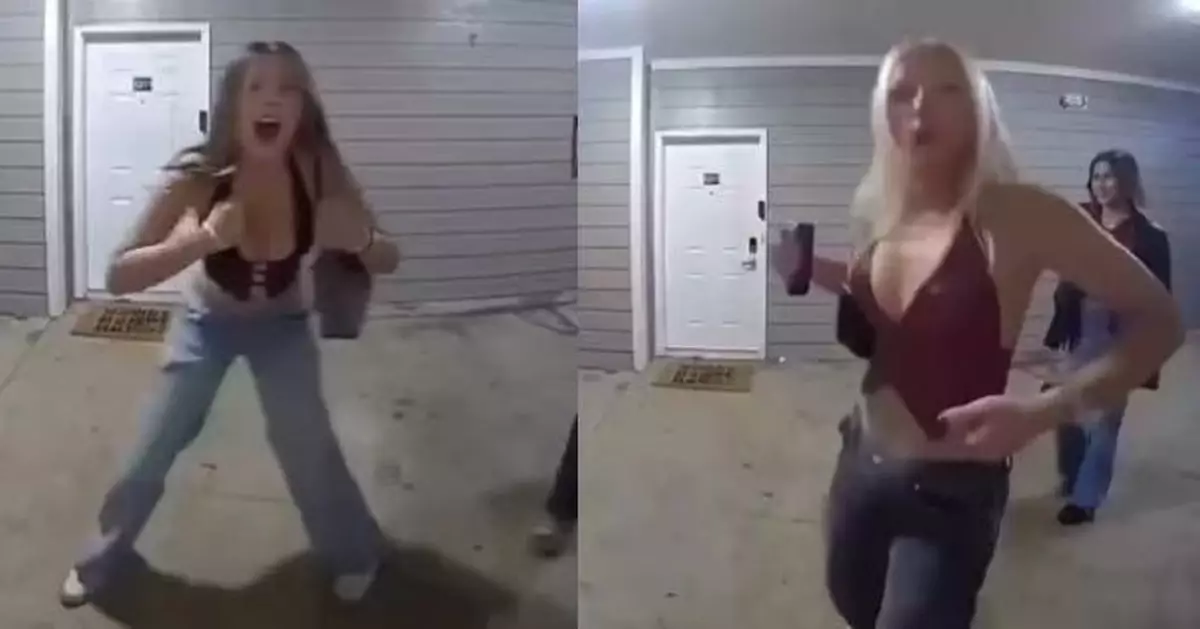
事件發生於11月6日晚上,地點位於密西西比大學附近一處學生公寓,涉事單位住有3名黑人女學生。門鈴閉路電視畫面顯示,3名白人女子經過公寓門外時,其中兩人突然靠近鏡頭,模仿猴子叫聲及動作,更拍打胸口,另一人則在旁觀看。
點擊看圖輯
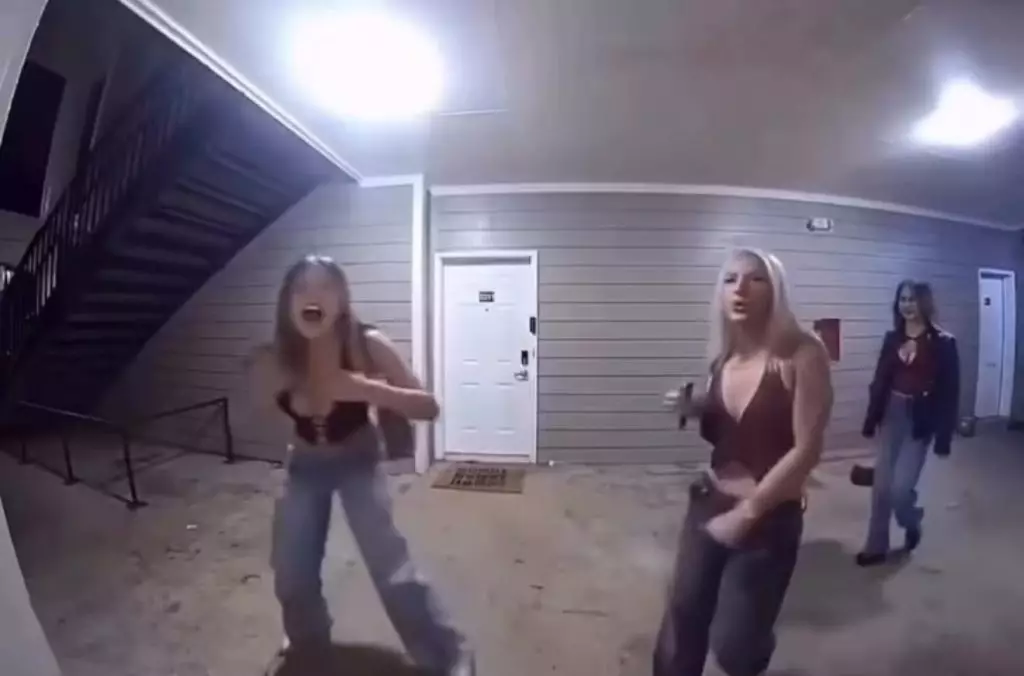
3名女大生在黑人學生住所外模仿猴叫,引發種族歧視爭議。網上圖片
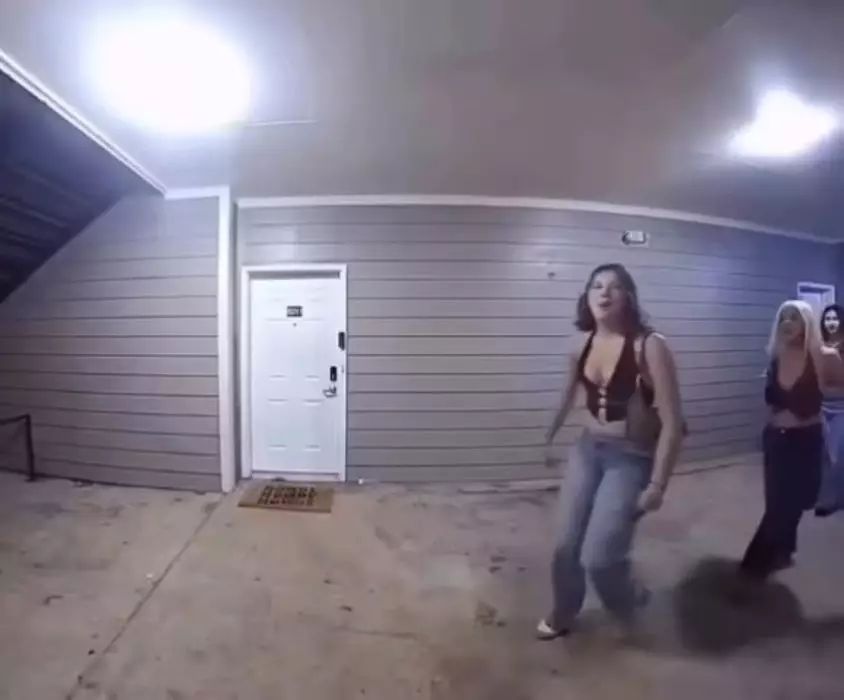
3名女大生在黑人學生住所外模仿猴叫,引發種族歧視爭議。網上圖片
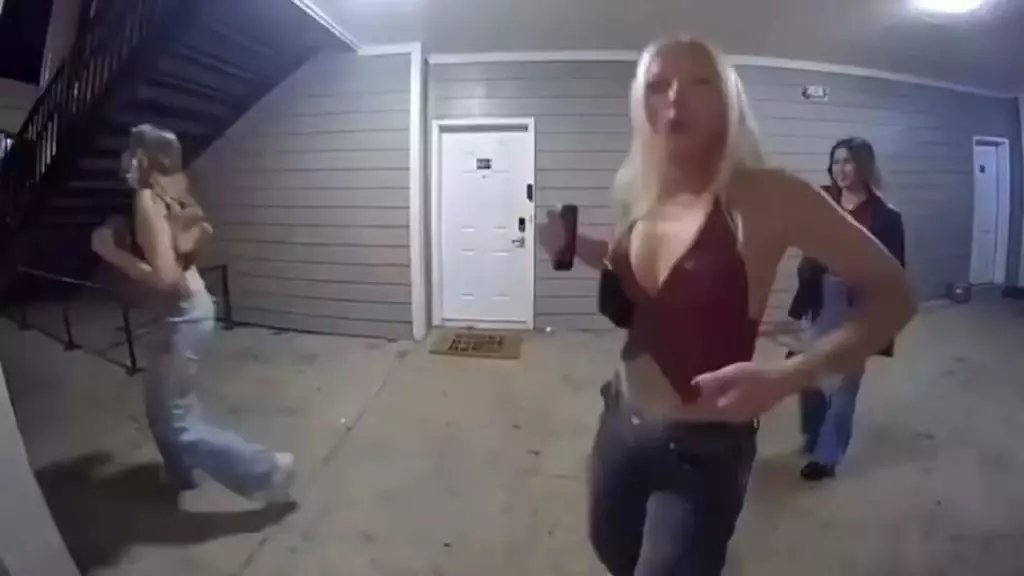
3名女大生在黑人學生住所外模仿猴叫,引發種族歧視爭議。網上圖片
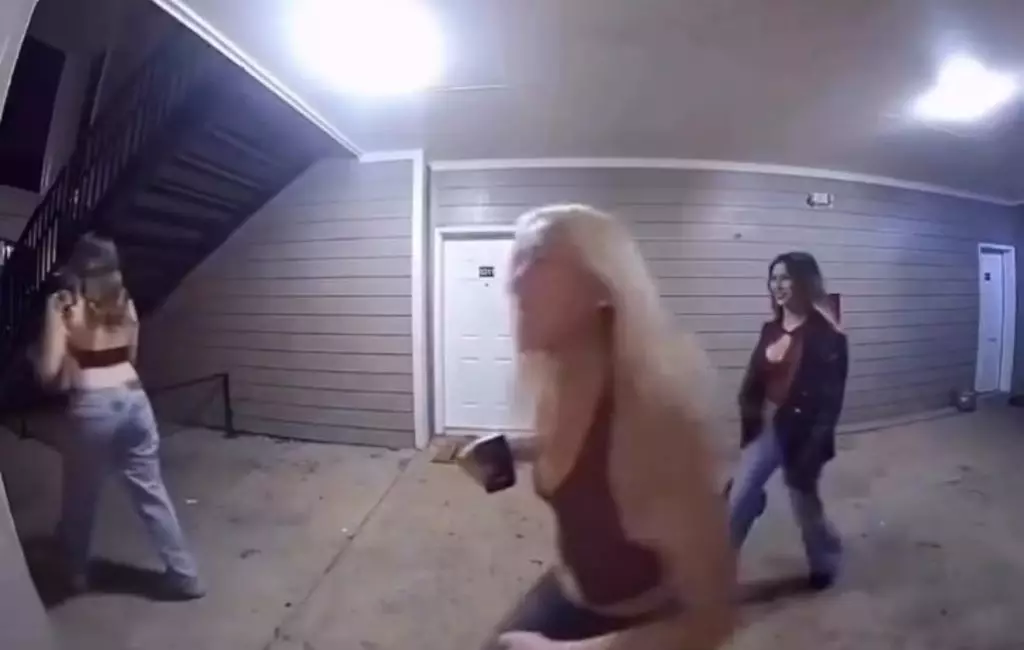
3名女大生在黑人學生住所外模仿猴叫,引發種族歧視爭議。網上圖片

3名女大生在黑人學生住所外模仿猴叫,引發種族歧視爭議。網上圖片

3名女大生在黑人學生住所外模仿猴叫,引發種族歧視爭議。網上圖片
3名女大生在黑人學生住所外模仿猴叫,引發種族歧視爭議。網上圖片
屋內學生事後將影片上載至社交平台,迅速引起關注。由於猴子形象過去曾被用作貶低黑人的種族歧視象徵,涉事女子的舉動遭大批網民批評。3名黑人女學生事後接受訪問時表示,對事件感到受傷及難過。其中一人透露,當時曾走出住所與涉事女子對質,雖然阿萊娜曾道歉,但另一名女子據稱仍繼續模仿相關動作。
3名女大生在黑人學生住所外模仿猴叫,引發種族歧視爭議。網上圖片
面對輿論壓力,阿萊娜於11月10日透過律師發表聲明,承認自己的行為不恰當,並向受影響學生致歉。她強調,事發前並不認識公寓住客,也不知道對方的種族,否認故意針對黑人作出冒犯行為,但承認自己的舉動缺乏敏感度,對他人造成傷害。
3名女大生在黑人學生住所外模仿猴叫,引發種族歧視爭議。網上圖片
阿萊娜同時透露,事件曝光後,自己及家人的個人資料被公開,更收到死亡恐嚇及騷擾。她之後決定退出密西西比大學,並表示願意配合校方調查。密西西比大學學生事務副校長Shawnboda Mead發表聲明,形容影片中的行為令人不安、具傷害性,而且無法接受,強調種族歧視不應在校園出現。校方表示,已聯絡受影響學生提供支援,並正按照相關程序調查事件,惟暫未公佈具體紀律處分。
3名女大生在黑人學生住所外模仿猴叫,引發種族歧視爭議。網上圖片
另外,阿萊娜祖父創辦的Kunes Auto Group汽車經銷公司也受到事件波及。公司事後澄清,阿萊娜並非公司員工,也沒有任何公司所有權,強調她的個人行為與公司無關。
3名女大生在黑人學生住所外模仿猴叫,引發種族歧視爭議。網上圖片
事件持續引起討論,部分網民要求校方嚴肅處理,也有人關注涉事學生及其家人遭網絡騷擾與死亡恐嚇的問題。
3名女大生在黑人學生住所外模仿猴叫,引發種族歧視爭議。網上圖片