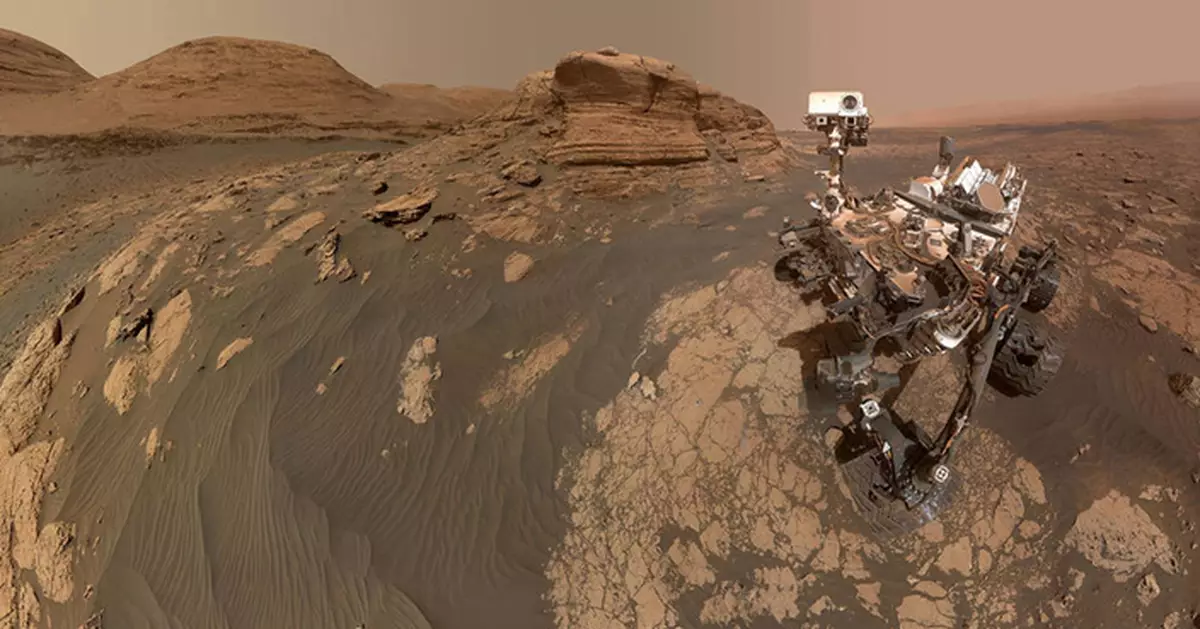
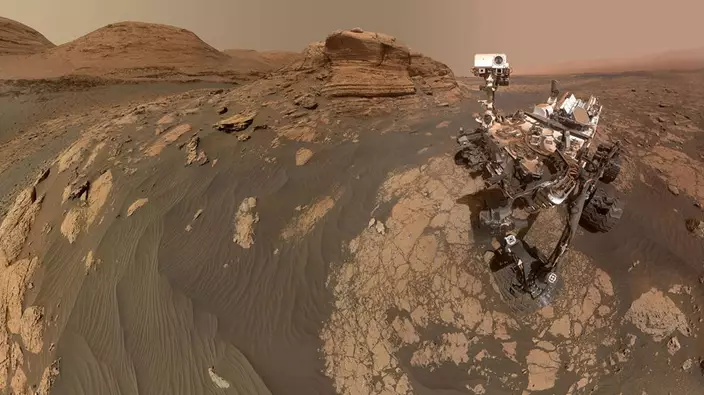
美國太空總署 (NASA) 的好奇號火星車自2012年以來一直在火星上漫遊,拍攝了數千張照片,尋找火星過去宜居環境的證據,它還忙於觀察天氣。
Cloudgazing... on Mars! ☁
— NASA (@NASA) February 11, 2025
@MarsCuriosity captured these colorful clouds drifting across the Martian sky. The iridescent, carbon dioxide ice formations offer clues about Mars' atmosphere and weather: https://t.co/HAp2FDFjhk pic.twitter.com/DEWV477X01
好奇號配備微型氣象站
NASA透露好奇號 (Curiosity) 配備微型氣象站,可以測量溫度、濕度、風、壓力和紫外線輻射。這些觀測數據定期發回地球,幫助科學家了解這顆荒涼星球上的外星天氣。
These rib-like structures can be seen from orbit, but what are they?
— Curiosity Rover (@MarsCuriosity) May 22, 2025
They may be boxwork: fractures that formed and were cemented by ancient groundwater. Understanding them could help us trace the history of water on Mars. pic.twitter.com/mZLwOj0n74
最低氣溫高達零下114度
根據好奇號傳來資料,5月12日火星的最高氣溫為攝氏零下11度,最低氣溫高達零下114度。目前,好奇號正在火星蓋爾隕坑探索的地區正值深秋,這意味著未來幾個月火星探測器將面臨更寒冷的天氣。
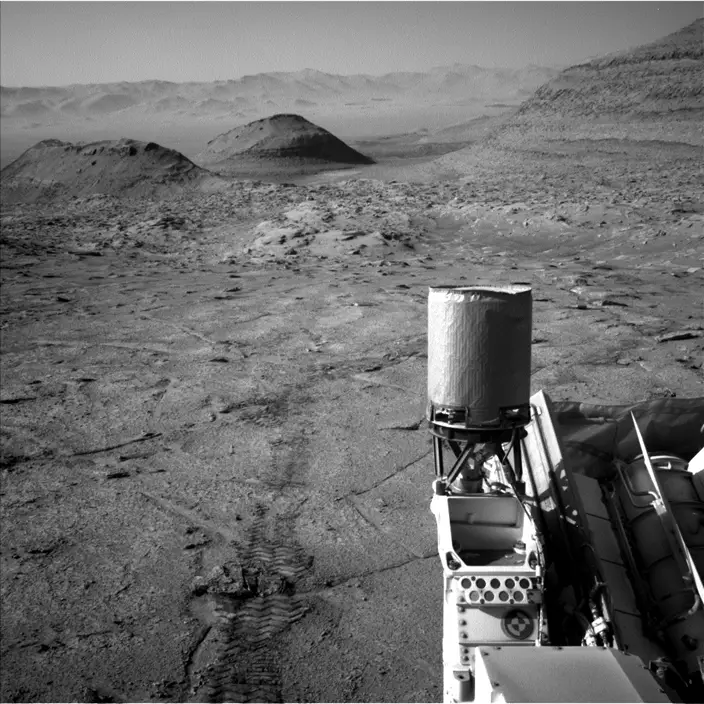
X@MarsCuriosity圖片
一米距離溫度劇烈變化
火星的夏季,溫度最高可達21度,最冷的冬夜則可低至零下61度。不過,僅僅一米的距離內溫度可能發生劇烈變化,「由於大氣層非常稀薄,太陽的熱量很容易從這顆行星散發出去。如果你中午站在火星赤道上,你會感覺腳下是春天,頭頂是冬天」。
X@NASA圖片