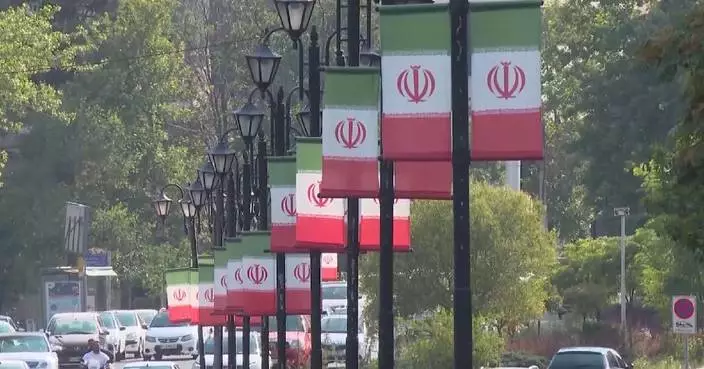
With the assistance of China's Belt and Road Initiative (BRI), Trinidad and Tobago's asphalt has been exported to more countries, helping the countries to seize more global opportunities.
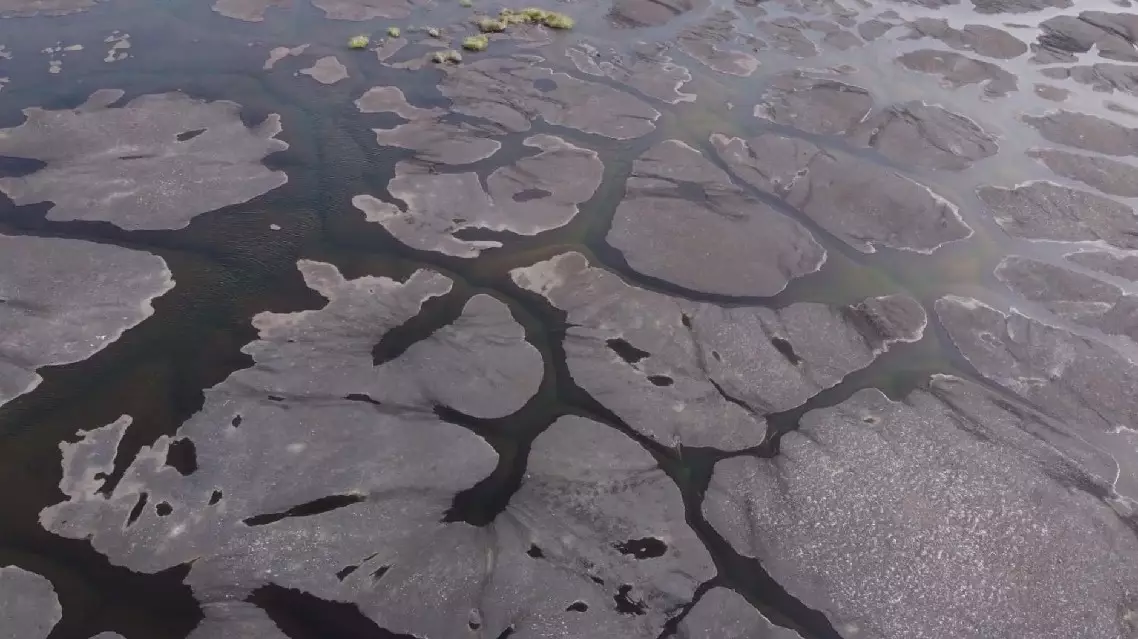
Trinidad and Tobago boasts the world's largest natural deposit of asphalt – the Pitch Lake.
With a coverage of over 40 hectares, the Pitch Lake has a large amount of asphalt which still gushes out of underground every day even after over a century of exploitation.
With large asphaltene, resin, as well as less impurities, the asphalt from the Pitch Lake has strong stability and durability. It has been recognized as one of the best asphalt in the world.
The Belt and Road Initiative, proposed by China in 2013, refers to the initiative on the construction of the Silk Road Economic Belt and the 21st Century Maritime Silk Road. It is aimed at building a trade and infrastructure network connecting Asia with Europe and Africa along ancient trade routes.
Since many BRI partner countries locate near the equator or in places with hot climate, their high temperature incurs high demand on construction materials.
Because of the BRI, asphalt from the Pitch Lake has been applied in many BRI projects worldwide.
From the 1990s, China has been importing asphalt from Trinidad and Tobago. For now, more than 70 projects were finished with them.
"I think China, from what I've seen, is one of the fastest developing countries in the world in terms of infrastructure, and added to that is the global Belt and Road Initiative. China's Belt and Road Initiative has also given us the opportunity to do business outside of China," said Neil Mohammed, chairman of the board of directors with Lake Asphalt of Trinidad and Tobago Limited.
China’s BRI helps Trinidad and Tobago export asphalt to more countries
The Cyberspace Administration of China has drafted a set of guidelines to ensure healthy and safe internet use by minors, laying out a series of regulations for relevant service providers.
The draft was made public on Friday and is open to public comment until Oct. 17.
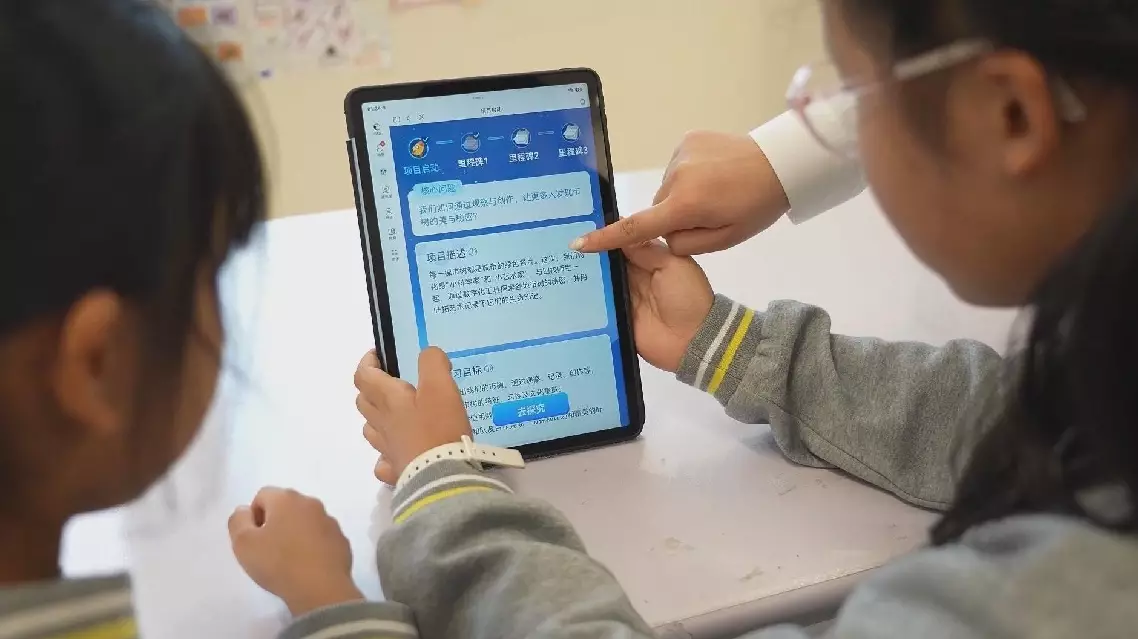
The draft encourages the research, development and manufacture of smart terminal products specifically designed for minors and tailored to the laws and characteristics of their physical and mental development, as well as internet technologies and services conducive to the healthy growth of minors.
Minors shall not be exposed to online social networking services with strangers, virtual intimate relationship services, and online services that induce addiction in minors or are detrimental to their physical and mental health, the draft reads.
Internet services for minors under 16, such as online social networking services and artificial intelligence services that may affect minors' cognition, can only be provided through a minor mode, according to the draft.
It also clarifies the functions of the minor mode, which include identifying online information detrimental to minors' physical and mental health, protecting minors' personal information rights and interests, preventing minors from becoming addicted to the internet, and facilitating guardians in fulfilling their guardianship responsibilities.
As of December 2025, China had more than 200 million internet users aged 6 to 19, the 57th Statistical Report on China's Internet Development revealed.
With the increasingly evident impact of social media on minors' mental well-being, behavior and safety, a growing number of countries and regions have recently started to explore ways to raise the legal threshold for minors' use of social media platforms, said Wang Zhiqin, deputy director of the China Academy of Information and Communications Technology.
The draft proposes a model with Chinese characteristics for protecting minors online, representing a positive response to the global trend toward strengthening online protection for minors, Wang said.
China drafts guidelines to strengthen online protection for minors