Skip to Content Facebook Feature Image

Tajikistan's prized black cherries find favor in Chinese markets

China

China

China

Tajikistan's prized black cherries find favor in Chinese markets

2024-07-03 22:00 Last Updated At:22:47

Tajikistan's prized black cherries, reputed for their juicy flesh and robust flavor, have found steady demand in Chinese homes over the past decade, driven by their exceptional quality and competitive pricing.

The Central Asian nation's temperate continental climate, characterized by significant day-night temperature fluctuations and ample snow-capped mountains ensuring abundant water supply, provides ideal conditions for the thriving cultivation of Tajik cherries.

The "Black Cherry" variety stands out among Tajikistan's offerings, renowned for its large, plump fruits bursting with sweetness.

Tajikistan's relations with neighboring China have been put under the spotlight as Chinese President Xi Jinping is to pay a state visit to Tajikistan later this week following his state visit to Kazakhstan and attendance of a summit of the Shanghai Cooperation Organization in the Kazakh capital city of Astana.

Fruit grower Khursandmurad Tursunzoda, who oversees a 12-hectare orchard in the Gissar Mountains, has been dedicated to cultivating prized cherries.

"I have over 3,000 trees in my orchard, planted 12 years ago. During this season, we prune the branches and clear the weeds around the trees. If you want a good harvest, you must respect the trees, because they too are living beings observing how you treat them. If you care for them well, you will reap a bountiful harvest," said Tursunzoda, the cherry orchard owner.

Tursunzoda, who comes from a long line of fruit growers, has been passionately imparting his cherry-growing expertise to younger generations, stressing respect for trees and meticulous harvesting practices.

"From childhood, I involve them (children) in the work. I explain how to care for the trees and how to harvest. For example, I insist they pick cherries with the stem attached, which helps the cherries stay fresh longer," said Tursunzoda.

He proudly refers to his orchard as an "ecological orchard," highlighting its use of natural fertilizers, contributing to increased cherry yields and sales annually.

"Every evening, wholesalers gather at the orchard for a lively auction. Recently, I learned that one of my wholesalers exports our cherries to our neighbor, China. I'm delighted that connoisseurs of our cherries can enjoy them across the border in China," said Tursunzoda.

Official data confirms Tajikistan exported over 30 tons of cherries to China in 2023, transported via regular flights from Tajikistan's capital city of Dushanbe to Urumqi in northwest China's Xinjiang Uygur Autonomous Region.

"Over the past week, we've shipped three batches of cherries to China already. Today, another ton of these cherries is en route. Packed conveniently in boxes designed to hold three kilograms of cherries for convenient handling, our cherries are now in high demand among our neighbors," said Natan Mamedov, an entrepreneur.
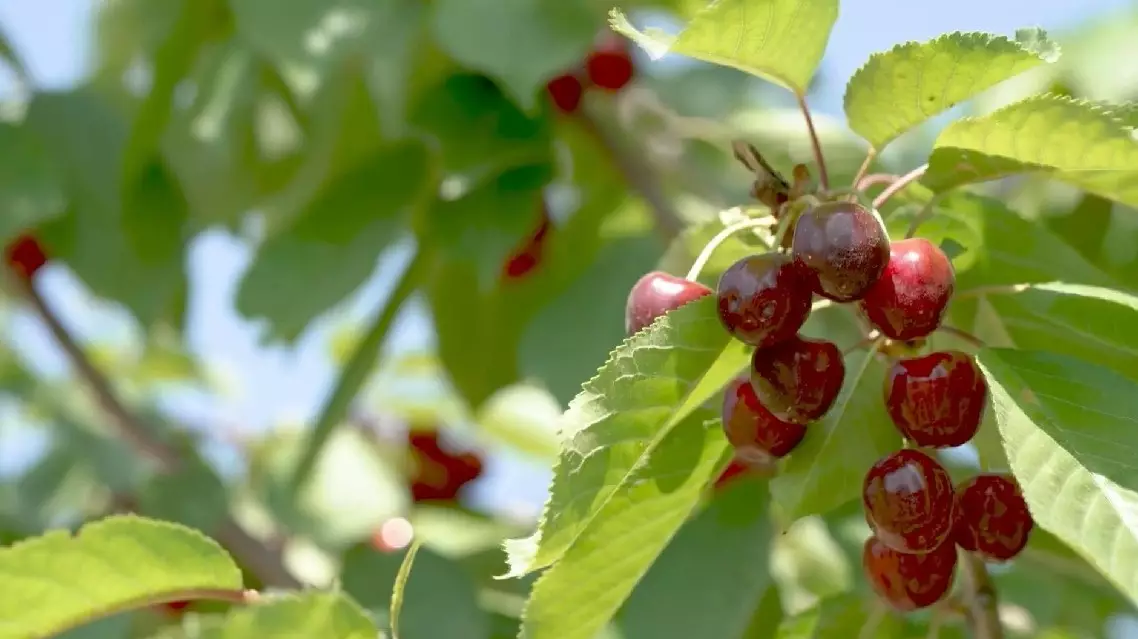
Tajikistan's prized black cherries find favor in Chinese markets
Tajikistan's prized black cherries find favor in Chinese markets

Jordan, Kuwait and Bahrain said on Monday that they have intercepted Iranian aerial attacks.

The Jordan Armed Forces-Arab Army said in a statement Monday night that its air defenses intercepted three missiles launched from Iran.

It said the interception caused no casualties or material damage, adding that it remains on high alert and will respond firmly to any threats to national security and sovereignty.

The General Command of the Bahrain Defense Force said that its air defense systems intercepted and destroyed multiple Iranian aerial attacks against the kingdom.

It condemned what it called Iran's "systematic hostile approach," saying the "deliberate use of missiles and drones to target civilians and private property" violates international humanitarian law.

Kuwait's armed forces said on Monday its air defense systems were intercepting "hostile" missile and drone attacks, as explosions were heard in parts of the country.

In a statement on social media platform X, the General Staff of the Kuwaiti Armed Forces confirmed the explosions resulted from air defense systems engaging with "hostile" aerial attacks, urging the public to follow safety instructions issued by authorities.

Iran's Islamic Revolution Guard Corps said earlier on Monday that it had launched missile and drone strikes against U.S. assets and facilities in Kuwait and Jordan in response to continued U.S. airstrikes on Iran.

Recent strikes on Kuwait targeted military installations and some of its vital infrastructure, including oil facilities and power and water desalination plants, causing injuries and material damage.

Explosions were heard on Monday evening in Iran's southern provinces of Hormozgan and Fars, the semi-official Mehr news agency reported.

Several explosions were heard in Hormozgan's Sirik County, Mehr cited local citizens as saying, adding the nature of the blast remains unclear.

It also quoted Seyed Ahmad Ahmadizadeh, Fars' deputy governor for political, security and social affairs, as saying that the United States has carried out an airstrike against a region in the provincial capital Shiraz, without causing casualties.

Earlier in the day, Iranian President Masoud Pezeshkian declared a "full-scale war" with the United States. Foreign Ministry spokesperson Esmaeil Baghaei said Iran has received mediation proposals and keeps its diplomatic channels open.

The United States has launched multiple strikes on Iran's southern provinces over the past week, saying they were aimed at "degrading Iran's ability to threaten commercial shipping."

Iran has responded with waves of missile and drone attacks targeting U.S. military bases and facilities in regional countries, including Kuwait, Bahrain and Jordan.

Jordan, Kuwait, Bahrain say intercepted Iranian aerial attacks

Jordan, Kuwait, Bahrain say intercepted Iranian aerial attacks

Recommended Articles